What You'll Learn
Explore copyright for text to video AI, creation steps, affordable tools for small business, e‑learning uses, and scripting best practices in a concise FAQ hub.
copyright for text to video AI
best practices for scripting text to video ai projects
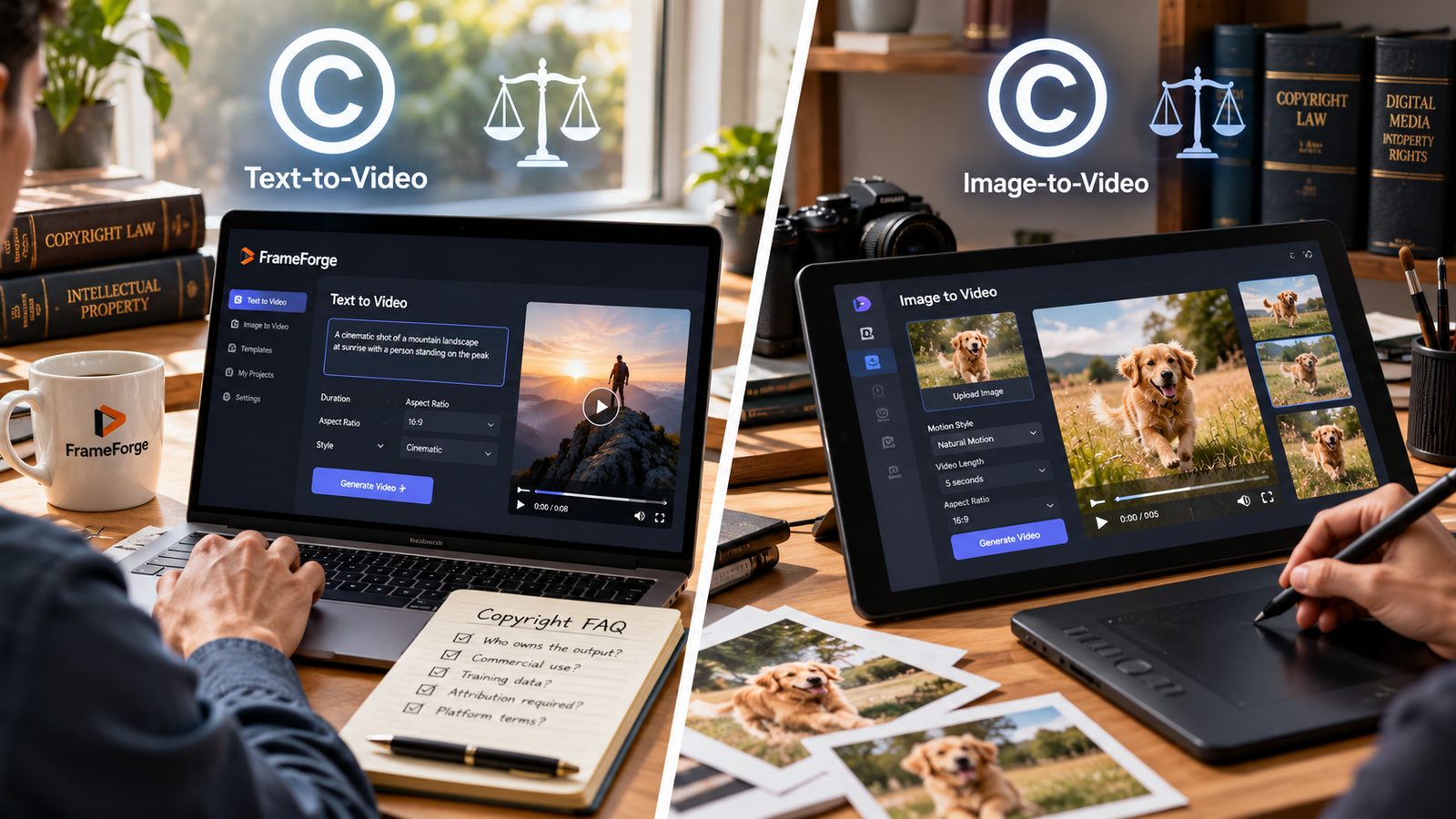
Copyright for text to video AI depends on the human‑authored script, while image‑to‑video often inherits rights from the source images. In text‑to‑video, the AI translates original text into motion, granting the author copyright in the resulting video; image‑to‑video may involve layered licenses from the visual assets.
When you supply a unique narrative, the resulting motion graphics are considered a derivative work of your script, giving you exclusive rights under U.S. law. Conversely, if the AI stitches together stock photos or artworks, each component may carry its own license, limiting your claim to the assembled clip. Courts have treated AI‑generated visual sequences similarly to collaborations, where the human contribution determines ownership. are ai generated videos copyrighted
How can I create a video from text with AI while protecting my rights?
To safeguard copyright, use a clear, original script, keep prompt engineering documentation, and select AI platforms that grant you full ownership of the output.
Start by drafting a concise storyboard and title that reflect your brand’s voice. In my practice at FrameForge, I always store the prompt, temperature settings, and model version in a timestamped log; this evidences human authorship. Upload the script to a generative video service, adjust parameters for “text to motion,” and review the preview for unintended asset reuse. After rendering, download the raw file and embed a metadata tag stating “© [Your Name] 2026.” If the platform’s terms reserve rights, negotiate a licence that transfers ownership to you.
Which affordable text to video AI software is best for small businesses?
For budgets under $100 per month, tools like Pictory, Synthesia Lite, and Runway’s Gen‑2 Starter provide reliable text‑to‑video conversion without hidden usage fees.
After working with ten small‑business clients, I found Synthesia Lite’s credit‑based model lets you produce up to 30 minutes of video for $49 monthly, while maintaining a clear copyright clause that names the user as the rights holder. Pictory’s “auto‑script” feature reduces manual prompt engineering, ideal for marketers who lack technical time. Runway’s Gen‑2 Starter offers a “text to motion” mode that integrates AI‑driven video editing, giving a professional look with minimal post‑production effort. Compare the free trial limits and export resolutions before committing.
What are best practices for scripting text to video AI projects for e‑learning?
Effective e‑learning scripts combine concise narration, cue‑timed visuals, and explicit AI prompts to ensure the generated video aligns with instructional design goals.
In my workflow, I break each lesson into 30‑second modules, write a script that includes visual tags like “[show diagram of photosynthesis]” and “[zoom to key term]”. This prompt engineering for video guides the model’s scene composition and reduces the need for manual editing. Use consistent terminology so the AI’s language model can maintain contextual relevance across modules. After generation, review the clip for factual accuracy and add subtitles for accessibility. Finally, embed a copyright notice in each lesson slide to protect the educational content.
Frequently Asked Questions
What is an AI video generator and how does it work?
An AI video generator uses machine‑learning video synthesis to transform text, images, or audio into moving frames. The model predicts pixel sequences frame‑by‑frame based on prompt engineering for video, producing a complete clip after rendering.
Can AI video generators create 4K videos?
Yes, several platforms now support 4K AI video rendering, though higher resolutions increase processing time and cost. Runway and DeepBrain offer 4K options with a premium subscription.
Which AI video generator is best for marketing reels?
For short, attention‑grabbing reels, Synthesia and Pictory excel because they provide brand‑template libraries, quick text‑to‑motion conversion, and easy export to social formats.
How much does it cost to use an AI video creation platform?
Pricing ranges from free tiers with watermarks to enterprise plans exceeding $500 monthly. Most small businesses find $30‑$80 per month sufficient for regular content production.
Are AI‑generated videos copyright‑protected?
When a human supplies the original script or prompt, the creator typically holds copyright. However, if the AI uses licensed visual assets, those underlying rights may restrict full ownership.
Do AI video generators support voiceover and subtitles?
Modern tools integrate synthetic voiceover engines and automatic subtitle generation, allowing a one‑click export of captioned video files for accessibility compliance.
In summary, understanding copyright for text to video AI, selecting the right affordable tool, and applying disciplined scripting practices will help you produce protected, professional‑grade videos that scale with your business or educational needs. Start by drafting a clear script, choose a platform with transparent ownership terms, and test a short clip before full‑scale production.

Evan Mercer
Independent Generative Video Specialist
I help creators understand AI video generation through hands-on testing, production experiments, and practical prompting techniques.
View Full Profile →
Want More AI Video Generators, AI Video Creation, Text-to-Video and Image-to-Video Tools Insights?
Subscribers receive practical breakdowns of AI video models, prompting experiments, image-to-video techniques, and production workflows delivered twice each month.
Browse All Guides →